
In today’s digital marketplace, a robust online presence is crucial for business success. E-commerce has revolutionized how businesses operate, enabling them to reach global audiences and conduct transactions around the clock. At the heart of every successful e-commerce operation lies a secure and efficient payment gateway. This comprehensive guide will delve into the intricacies of payment gateways, providing you with the knowledge you need to choose the right solution for your e-commerce business. We’ll explore the different types of payment gateways available, discuss key features to consider, and outline the steps involved in integrating a payment gateway into your e-commerce platform. Understanding the nuances of payment processing is essential for optimizing your online sales and ensuring a seamless customer experience.
Whether you’re launching a new e-commerce venture or seeking to optimize your existing online store, this guide will equip you with the necessary tools and information to unlock the full potential of your online business. From understanding transaction fees and security protocols to navigating the complexities of PCI compliance, we’ll cover all aspects of selecting and implementing the ideal payment gateway for your specific needs. By mastering the fundamentals of e-commerce payment processing, you can enhance customer trust, streamline operations, and ultimately drive online sales growth. Join us as we unlock the world of e-commerce payment gateways and empower you to make informed decisions for your business.
Understanding the Basics of E-Commerce Payment Gateways
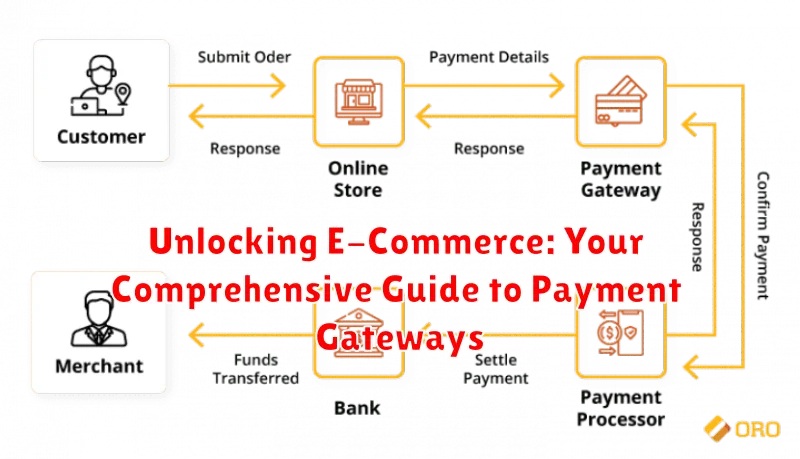
In the world of online business, a payment gateway acts as the crucial bridge between your customer and your business, facilitating secure and efficient transactions. It’s the technology that authorizes the transfer of funds from the customer’s bank account or card to your merchant account. Think of it as the digital equivalent of a physical point-of-sale terminal in a brick-and-mortar store.
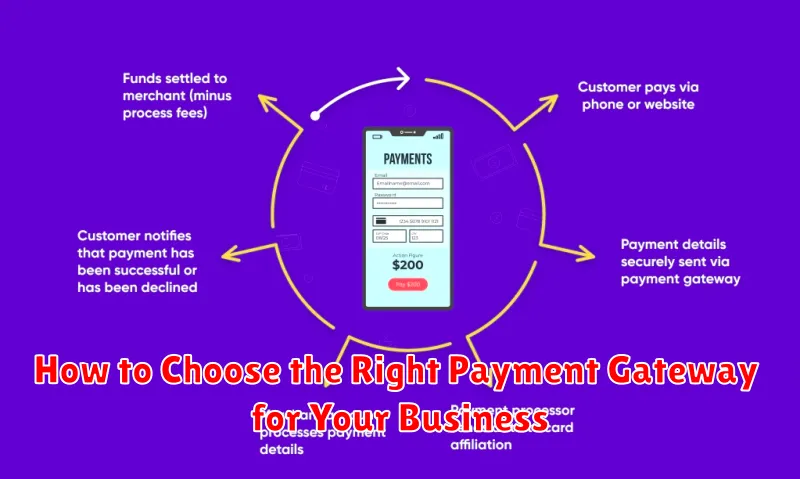
When a customer completes a purchase on your website, the payment gateway securely captures their payment information. It then transmits this data to the payment processor, which communicates with the relevant financial institutions (banks and card networks) to verify and approve the transaction. Security is paramount, and payment gateways employ encryption and other security measures to protect sensitive financial data.
Essentially, a payment gateway performs three key functions:
- Authorization: Verifying that the customer has sufficient funds to complete the purchase.
- Capture: Collecting the funds from the customer’s account.
- Settlement: Transferring the funds to your merchant account.
Understanding these basic functions is the first step toward choosing the right payment gateway for your e-commerce business.
Types of Payment Gateways: Exploring Your Options
Choosing the right payment gateway is crucial for a smooth and secure checkout experience. Several types of gateways exist, each with its own set of features and functionalities.
Hosted Payment Gateways
These gateways redirect customers to a third-party payment page to complete their transaction. This simplifies PCI compliance for merchants but can create a less seamless experience for customers.
Self-Hosted Payment Gateways
With this type, the payment process happens directly on your website. This offers greater control over branding and user experience but increases PCI compliance responsibilities.
API Hosted Payment Gateways
API-hosted gateways provide a balance between control and security. You manage the look and feel of the checkout process, while sensitive data is handled securely by the gateway provider.
Local Bank Integrators
These gateways connect directly with local banks, often streamlining transactions within a specific region or country. They can be a good option for businesses primarily operating in one geographic area.
Key Features to Look for in a Payment Gateway
Choosing the right payment gateway involves considering several key features that align with your business needs. Security is paramount, so look for features like fraud prevention tools, PCI DSS compliance, and data encryption.
Supported payment methods are crucial for reaching a wider audience. Consider whether you need to accept major credit cards, debit cards, digital wallets, or alternative payment options. Transaction fees and other associated costs like setup fees, monthly fees, and chargeback fees should be carefully evaluated.
Integration capabilities with your existing e-commerce platform are essential for a smooth checkout process. Look for easy integration with popular platforms and shopping carts. Reliable customer support is also vital for troubleshooting any technical issues or payment processing problems.
Finally, consider the scalability of the payment gateway. Ensure it can handle your current transaction volume and accommodate future growth.
How to Choose the Right Payment Gateway for Your Business
Selecting the right payment gateway is crucial for a successful e-commerce venture. Consider these key factors to make an informed decision:
1. Business Needs
Evaluate your transaction volume. High-volume businesses require gateways that can handle the load efficiently. Consider your average transaction size as well, as some gateways have different fee structures based on this.
2. Target Audience
Think about where your customers are located. Ensure the gateway supports currencies and payment methods popular in your target markets. This improves the customer experience and reduces cart abandonment.
3. Security
Security is paramount. Choose a gateway with robust fraud prevention tools, PCI DSS compliance, and advanced encryption to protect sensitive customer data.
4. Integration and Compatibility
Seamless integration with your existing e-commerce platform simplifies setup and management. Confirm compatibility with your shopping cart and other software.
5. Pricing and Fees
Carefully analyze the fee structure. Understand transaction fees, monthly fees, and any other charges. Compare pricing models to find the most cost-effective option for your business.
Integrating a Payment Gateway into Your Online Store
Integrating a payment gateway is a crucial step in setting up your e-commerce business. The process generally involves working with your chosen platform and the payment gateway provider. Careful planning and execution are necessary for a smooth integration.
Most e-commerce platforms offer built-in integrations with popular payment gateways, simplifying the process considerably. Often, this involves installing a plugin or extension and configuring the settings according to the gateway’s instructions. You’ll typically need to provide API keys and other credentials to establish the connection.
For platforms without pre-built integrations, you might need to work with a developer to implement the gateway’s API. This requires more technical expertise and involves coding the necessary functionality to connect your store to the payment processor. Thoroughly test the integration before going live to ensure all transactions are processed correctly.
Regardless of your chosen method, ensure your website complies with PCI DSS standards to secure sensitive customer data. Working with a reputable payment gateway provider also simplifies this process, as they often provide tools and resources to assist with compliance.
Security Considerations for E-Commerce Payment Gateways
Security is paramount when choosing and implementing a payment gateway. PCI DSS compliance is non-negotiable. This standard mandates security protocols for handling cardholder data, protecting your business and your customers from fraud.
Tokenization replaces sensitive card details with unique tokens, reducing the risk of data breaches. 3D Secure authentication adds an extra layer of security by verifying cardholder identity through methods like one-time passwords.
SSL encryption is crucial for secure communication between the customer’s browser and your website, as well as between your website and the payment gateway. Regular security audits and vulnerability scanning should be part of your ongoing risk management strategy.
Consider implementing fraud detection tools provided by your payment gateway or a third-party provider. These tools can help identify and prevent fraudulent transactions, protecting your business from financial losses.
Tips for Optimizing Your Payment Gateway for Conversions
Optimizing your payment gateway is crucial for maximizing sales. A seamless checkout experience encourages customers to complete their purchases.
Minimize required fields. Only ask for essential information during checkout. Long forms can deter customers. Offer guest checkout options to avoid forcing account creation.
Offer multiple payment methods. Supporting various credit cards, digital wallets, and other payment options caters to a wider customer base and increases conversion potential. Display accepted payment logos clearly.
Mobile optimization is key. Ensure your payment gateway is fully responsive and functions flawlessly on all devices. A poor mobile experience can lead to abandoned carts.
Clearly display security badges. Build trust by showcasing security certifications and logos near the payment fields. This reassures customers that their information is safe.
Test and monitor regularly. Conduct thorough testing to identify and address any technical issues or glitches that may hinder the checkout process. Regularly monitor performance metrics to pinpoint areas for improvement.
Future Trends in E-Commerce Payment Gateways
The landscape of e-commerce payment gateways is constantly evolving. Several key trends are shaping the future of online transactions.
Invisible Payments are gaining traction, streamlining the checkout process by making payments occur seamlessly in the background. This minimizes customer friction and improves conversion rates. Think of ride-sharing apps or online ordering where payment is automatic upon completion.
The rise of mobile wallets and other alternative payment methods continues. Consumers are increasingly using options like Apple Pay and Google Pay for faster and more convenient checkouts. Merchants must accommodate these preferences to remain competitive.
Biometric authentication adds another layer of security and simplifies the payment experience. Fingerprint scanning and facial recognition are becoming more common, further reducing friction for customers.
Artificial intelligence (AI) is playing an increasing role in fraud detection and prevention. AI-powered systems can analyze vast amounts of data to identify and flag suspicious transactions, protecting both businesses and consumers.
Finally, the growth of cryptocurrency as a payment method is being closely watched. While still in its early stages of adoption for mainstream e-commerce, the potential for decentralized and secure transactions is significant.
