

Have you always dreamt of owning a thriving online boutique? Do you envision curating a unique collection and building a successful e-commerce business from the ground up? Turning this dream into a reality requires careful planning and execution. This comprehensive, step-by-step guide will equip you with the essential knowledge and resources to launch your online boutique. We’ll cover everything from crafting a business plan and securing funding to building your online store and implementing effective marketing strategies.
Launching an online boutique can be a rewarding endeavor, offering flexibility and the potential for significant growth. This guide will navigate you through the crucial steps, helping you avoid common pitfalls and setting you on the path to success. Whether you’re a seasoned entrepreneur or just starting out, this guide offers valuable insights into building a profitable online boutique. From defining your niche and sourcing products to managing inventory and providing exceptional customer service, we’ll delve into the practical aspects of running a successful online business.
Defining Your Niche and Target Audience
Launching a successful online boutique begins with a clear understanding of your niche and target audience. A niche defines your specialized area within the broader market, allowing you to focus your efforts and attract a specific customer base. Your target audience, on the other hand, represents the ideal customers you aim to reach.
Defining your niche involves identifying a specific product category or a unique selling proposition. Ask yourself: What specific products will you offer? What makes your boutique different from the competition? Perhaps you specialize in handmade jewelry, vintage clothing, or eco-friendly accessories. A clearly defined niche helps you establish a strong brand identity and attract customers seeking those specific products.
Identifying your target audience requires considering demographics, psychographics, and buying behavior. Who are your ideal customers? What are their interests, needs, and preferences? Where do they shop online? Understanding your target audience allows you to tailor your marketing efforts and product offerings to effectively reach and resonate with them.
Crafting a Business Plan for Your Online Boutique
A well-defined business plan is the roadmap to your online boutique’s success. It helps secure funding, attract investors, and guide your decisions.
Start with an Executive Summary that briefly describes your boutique, its mission, and target market. Follow this with a Company Description, outlining your unique selling proposition and competitive advantages.
Market Analysis is crucial. Research your target audience, competitor landscape, and industry trends. This informs your Marketing and Sales Strategy, detailing how you’ll reach customers and drive sales.
Outline your Operations Plan, including sourcing, fulfillment, and customer service. Finally, develop a realistic Financial Plan. Project your startup costs, revenue projections, and profitability timeline. This demonstrates financial viability to potential investors and helps you track your progress.
Choosing the Right E-Commerce Platform
Selecting the right e-commerce platform is a critical step in launching your online boutique. The platform you choose will be the foundation of your online presence, impacting everything from inventory management to customer experience. Consider your budget, technical skills, and the specific needs of your business.
Several popular options cater to various needs. Shopify offers a user-friendly interface and a wide range of apps, making it suitable for beginners. WooCommerce, a WordPress plugin, provides greater flexibility and customization but may require more technical expertise. BigCommerce is another robust platform offering advanced features for scaling businesses. Other options include Squarespace, Wix, and Magento.
Key factors to consider include pricing (monthly fees, transaction fees), scalability (ability to grow with your business), features (inventory management, marketing tools, payment gateways), and ease of use.
Research different platforms, compare their features and pricing, and choose the one that best aligns with your business goals and technical capabilities. A well-chosen platform will streamline your operations and empower you to build a thriving online boutique.
Designing a Stunning Online Storefront
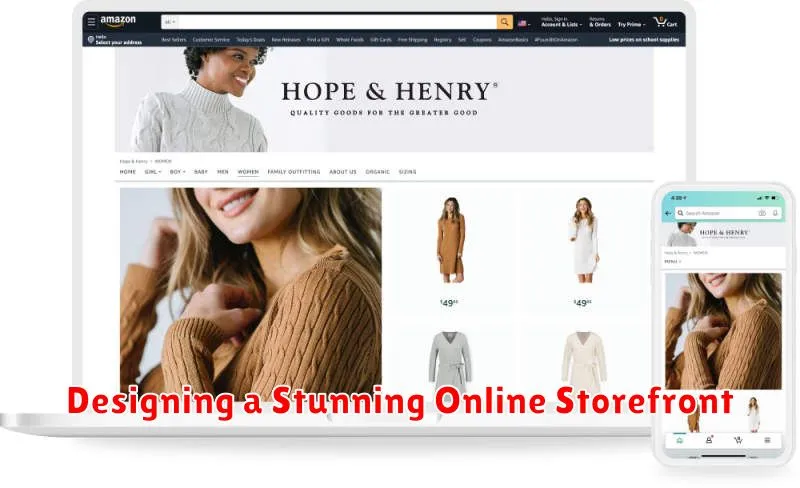
A visually appealing and user-friendly online storefront is crucial for attracting and retaining customers. Prioritize a clean, uncluttered design that showcases your products effectively. Consider your brand’s aesthetic and target audience when selecting colors, fonts, and overall layout.
High-quality product photography is essential. Images should be clear, well-lit, and showcase the product from multiple angles. Consider lifestyle shots to help customers visualize the product in use. Ensure your website is mobile-responsive, as a significant portion of online shopping occurs on mobile devices.
Navigation should be intuitive and easy to use. Organize your products into logical categories and subcategories. Implement a search bar to help customers quickly find what they’re looking for. A clear and concise product description is vital. Highlight key features and benefits, using persuasive language to encourage purchases.
Sourcing and Managing Inventory Effectively
Inventory management is crucial for a successful online boutique. Efficient sourcing and management ensure you have the right products available at the right time, minimizing storage costs and maximizing profit.
Sourcing Products: Consider several factors when choosing suppliers. Product quality should be paramount. Research supplier reliability and assess their production capabilities. Compare pricing and minimum order quantities to ensure profitability. Explore options like dropshipping, wholesaling, or manufacturing, depending on your business model and resources. Negotiate favorable terms and establish clear communication channels with your chosen suppliers.
Managing Inventory: Implement an inventory management system. This can be a simple spreadsheet or dedicated software. Track stock levels, incoming shipments, and outgoing orders. Regularly review your inventory to identify best-selling items and slow-moving products. Optimize stock levels to meet demand while avoiding overstocking. Consider implementing a stock control method like FIFO (First-In, First-Out) to ensure efficient stock rotation.
Setting Up Secure Payment Gateways
A secure and reliable payment gateway is essential for the success of your online boutique. Customers need to feel confident that their financial information is safe when making a purchase.
Choosing the right payment gateway involves considering several factors. Transaction fees are an important consideration, as they can impact your profit margins. Look for a gateway that offers competitive rates and transparent pricing.
Security features are paramount. Ensure your chosen gateway complies with PCI DSS (Payment Card Industry Data Security Standard) to protect customer data and minimize the risk of fraud. Features like SSL encryption and fraud detection tools are crucial.
Integration with your e-commerce platform is another key factor. A seamless integration simplifies the setup process and ensures a smooth checkout experience for your customers. Check for compatibility with your chosen platform before making a decision.
Popular payment gateway options include Stripe, PayPal, and Square. Research each option carefully and consider which best suits your business needs and target audience.
Creating a Seamless Checkout Process
A seamless checkout process is crucial for converting browsers into buyers. A complicated or confusing checkout experience can lead to abandoned carts and lost sales. Streamlining this process should be a top priority.
Minimize required fields. Only ask for essential information. Long forms can deter customers. Name, shipping address, email, and payment details are typically sufficient.
Offer guest checkout. Requiring account creation can be a barrier. Allow customers to checkout without registering.
Clearly display shipping costs and taxes. Transparency builds trust. Unexpected costs at the end can lead to cart abandonment.
Offer multiple payment options. Provide various payment methods like credit cards, debit cards, and digital wallets to cater to different customer preferences.
Developing a Marketing Strategy to Reach Your Customers
A well-defined marketing strategy is crucial for the success of your online boutique. It’s how you connect with your target audience and drive sales. Understanding your ideal customer is the first step. Consider their demographics, interests, and online behavior.
Social media marketing is a powerful tool. Choose platforms where your target audience spends their time. Create engaging content, run targeted ads, and interact with your followers. Influencer marketing can also be effective in reaching a wider audience.
Email marketing remains a valuable strategy. Build an email list by offering incentives like exclusive discounts or early access to new arrivals. Send regular newsletters with compelling content and product updates.
Search engine optimization (SEO) helps customers find your boutique organically. Use relevant keywords in your product descriptions and website content. Consider paid advertising to boost visibility and reach specific customer segments.
Providing Excellent Customer Service

Customer service is paramount to the success of any online boutique. A positive experience fosters loyalty and encourages repeat business. Conversely, poor customer service can quickly damage your reputation and lead to lost sales.
Responding promptly to customer inquiries is crucial. Aim to answer emails and messages within 24 hours, even if it’s simply to acknowledge receipt and inform the customer that their query is being addressed. Clear communication is key. Use professional and friendly language, and provide concise and helpful information.
Streamlining the return and exchange process is essential for building trust. A clear and easy-to-understand return policy can alleviate customer anxieties and encourage purchases. Offer multiple contact channels, such as email, phone, or live chat, to cater to different customer preferences. Actively solicit feedback through surveys or feedback forms to identify areas for improvement and demonstrate your commitment to customer satisfaction.
