
In the competitive landscape of e-commerce, a seamless return process is no longer a luxury but a necessity. Mastering returns is crucial for building customer loyalty, driving repeat business, and ultimately, boosting your bottom line. This comprehensive guide delves into the critical aspects of online store returns, providing you with the knowledge and strategies to transform returns from a potential liability into a powerful asset. From understanding return policies and streamlining return procedures to leveraging return data for valuable insights, this guide will empower you to optimize your returns process and elevate your online store’s performance.
A well-crafted return policy can be a significant differentiator, inspiring customer confidence and encouraging purchases. This guide will cover the essential elements of a customer-centric return policy, including clarity, accessibility, and fairness. We will explore various return options, such as in-store returns, mail-in returns, and drop-off locations, along with best practices for managing return shipping and refund processing. By implementing the strategies outlined in this guide, you can transform the returns experience into a positive one, fostering customer satisfaction and strengthening your brand’s reputation.
Understanding the Importance of a Smooth Return Process
A seamless return process is crucial for the success of any online store. It directly impacts customer satisfaction, repeat business, and ultimately, your bottom line. A frustrating return experience can lead to lost customers and negative word-of-mouth referrals.
Customer Retention: A smooth return process builds trust and encourages customer loyalty. Knowing they can easily return an item if needed gives customers the confidence to make a purchase in the first place.
Reduced Operational Costs: While returns themselves represent a cost, a well-defined and efficient process can minimize these costs. A streamlined system with clear instructions reduces the likelihood of errors and speeds up processing time.
Competitive Advantage: In today’s competitive e-commerce landscape, a hassle-free return policy can be a significant differentiator. It can sway purchasing decisions in your favor and set you apart from competitors with complicated or restrictive return policies.
Creating a Clear and Concise Return Policy
A well-defined return policy is crucial for building customer trust and managing returns effectively. Clarity minimizes confusion and sets expectations upfront. Your policy should be easily accessible on your website, ideally linked in the footer and within product pages. Use plain language, avoiding legal jargon that can deter customers.
Key elements to include are:
- Return window: Specify the timeframe within which returns are accepted (e.g., 30 days, 60 days).
- Eligible items: Clearly state which items are returnable (e.g., unworn clothing, unopened electronics). Note any exceptions.
- Condition of returned items: Specify acceptable conditions for returned merchandise (e.g., original packaging, tags attached).
- Refund process: Explain how refunds are issued (e.g., original payment method, store credit).
- Return shipping: Detail who pays for return shipping and any associated costs.
Presenting this information in a structured format, such as a table or FAQ section, further enhances clarity.
Providing Multiple Return Options (e.g., Mail, In-Store Drop-off)
Offering various return methods is crucial for a positive customer experience. Flexibility is key. Providing more options caters to different customer preferences and circumstances, ultimately increasing customer satisfaction.
Mail returns are a standard option, allowing customers to ship items back conveniently. Ensure clear instructions are provided, including how to package the return and where to send it. Pre-paid shipping labels can significantly improve this process.
If you have a physical store, in-store drop-offs can be a valuable alternative. This option provides immediate processing and eliminates shipping costs for the customer. It also allows for potential up-sales or exchanges, increasing customer engagement.
Consider offering drop-off locations through partnerships with other businesses. This expands your reach and adds another layer of convenience for customers. Clearly communicate these locations and any specific instructions for using them.
Streamlining the Return Process for a Positive Customer Experience
A streamlined return process is crucial for minimizing customer frustration and fostering loyalty. Efficiency is key. Customers should be able to easily initiate a return, whether through an online portal or by contacting customer service. Provide clear instructions and pre-paid return labels whenever possible.
Transparency throughout the process builds trust. Keep customers informed of their return’s status with regular updates via email or SMS. This minimizes uncertainty and demonstrates your commitment to their satisfaction.
Automation can significantly improve efficiency. Consider automated return labels, tracking updates, and refund processing. This reduces manual work for your team and ensures a faster turnaround for the customer.
Empower your customer service representatives to handle returns efficiently and empathetically. Effective communication and problem-solving skills are essential for turning a potentially negative experience into a positive one.
Offering Free Returns or Covering Return Shipping Costs

Free returns have become a significant factor influencing online purchase decisions. By absorbing the cost of return shipping, you remove a potential barrier for customers and encourage them to shop with confidence.
Offering free returns can increase sales and build customer loyalty. While it involves an upfront cost, the potential benefits in terms of customer acquisition and retention often outweigh the expenses.
If fully free returns aren’t feasible, consider covering return shipping costs under specific conditions, such as:
- Defective items
- Incorrectly shipped items
- Exchanges for a different size or color
Clearly communicate your return shipping policy to customers to avoid any confusion. This transparency fosters trust and enhances the overall customer experience.
Evaluate the long-term impact of offering free or subsidized returns on your business. Analyze return rates, customer feedback, and the overall effect on profitability to determine the optimal strategy for your online store.
Managing Returned Items Efficiently
A streamlined return process is crucial for customer satisfaction and operational efficiency. Establish clear return policies that are easily accessible to customers. This includes information on return windows, eligible items, and any associated fees.
Provide multiple return options such as pre-paid shipping labels, drop-off locations, or in-store returns (if applicable). This flexibility caters to diverse customer preferences and can significantly improve the return experience.
Upon receiving a returned item, inspect it promptly to determine its condition. Establish a clear protocol for categorizing returned items (e.g., damaged, incorrect size, customer remorse). This helps in managing inventory and identifying potential product issues.
Process refunds or exchanges quickly. Customers appreciate timely resolutions, and prompt action can help maintain their loyalty. Maintain clear communication throughout the return process, notifying customers of the status of their return and any resulting actions.
Minimizing Returns with Detailed Product Descriptions and Accurate Sizing Charts
Proactive measures can significantly reduce return rates. Detailed product descriptions are crucial. Clearly articulate the product’s features, materials, dimensions, and functionalities. Avoid vague terms and use precise language. For example, instead of “beautiful red dress,” describe it as “crimson A-line dress with a lace bodice and three-quarter sleeves.” This clarity helps customers visualize the product accurately.
Accurate sizing charts are equally important, especially for apparel and footwear. Provide detailed measurements for each size, including bust, waist, hips, inseam, and length. Consider including a “how to measure” guide to help customers take accurate measurements of themselves. Offering size comparisons to familiar brands can also assist customers in selecting the right fit.
For complex products, consider using 360-degree views or videos to showcase the product from all angles. This helps customers understand the product’s dimensions and how it looks in real life. High-quality images and videos can bridge the gap between online shopping and the in-store experience.
Turning Returns into Opportunities for Customer Retention
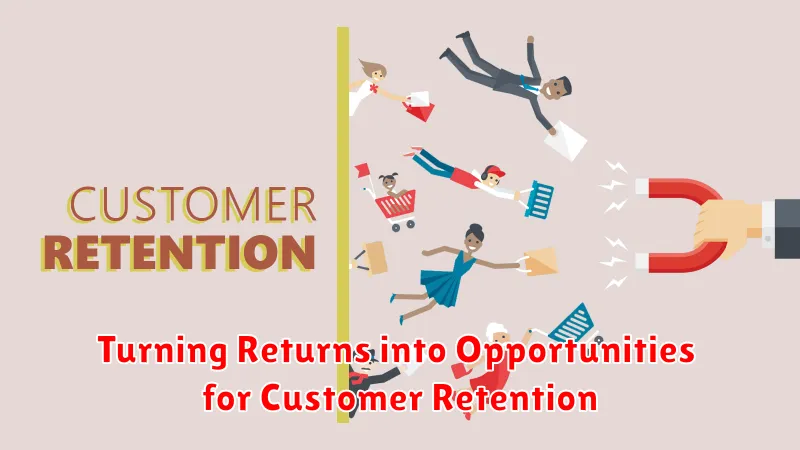
While returns can be a cost center, they also present a valuable opportunity to foster customer loyalty and build stronger relationships. A positive return experience can significantly impact a customer’s perception of your brand and encourage repeat business.
Streamlining the return process is crucial. A clear and user-friendly return policy, along with pre-paid shipping labels and hassle-free exchanges, can make a significant difference. Consider offering multiple return options, such as in-store returns for customers who live near a physical location.
Proactive communication during the return process is key. Keep customers informed about the status of their return and promptly refund or exchange their items. A follow-up email after the return is finalized can further enhance the customer experience and open the door for future purchases. Consider offering a discount code or promotional offer in this email as a goodwill gesture.
Analyzing Return Data to Identify Trends and Improve Product Offerings
Returned items are more than just a logistical hassle; they’re a valuable source of data that can inform business decisions. Analyzing return data can reveal important trends and help optimize product offerings, ultimately reducing future returns and boosting profitability.
Start by categorizing returns. Common reasons might include sizing issues, quality concerns, damage during shipping, or simply a change of heart. Track these reasons diligently. This allows you to pinpoint specific areas for improvement.
Look for patterns. Are certain products consistently returned for the same reason? Perhaps a particular size runs small, a description is misleading, or a product is prone to damage in transit. Identifying these trends allows for targeted interventions.
Quantify the impact of returns on individual products. Calculate return rates for each item to highlight those with the highest return frequency. This data can inform decisions about product development, pricing, and even whether to continue carrying certain items.
