
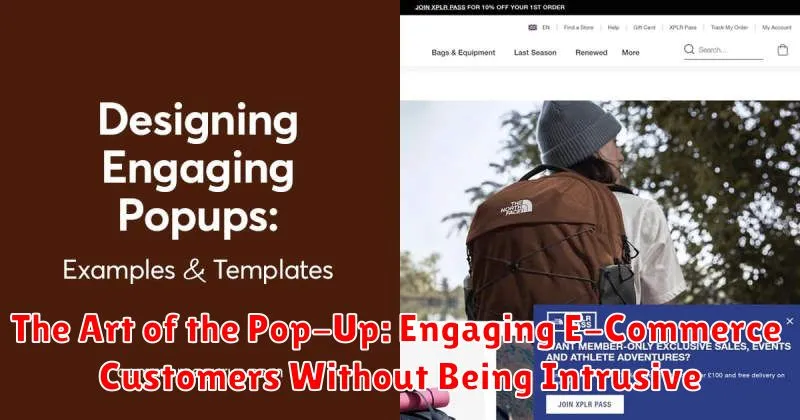
In the competitive landscape of e-commerce, capturing the attention of potential customers is paramount. Pop-up windows, when executed strategically, can be a powerful tool for engaging visitors and driving conversions. This article explores the art of the pop-up, delving into how to effectively utilize these attention-grabbing elements without alienating your audience. We will examine best practices for creating engaging pop-ups that enhance the user experience rather than disrupting it, focusing on the delicate balance between effective e-commerce marketing and respecting the visitor’s online browsing experience. Learn the secrets to maximizing the impact of your pop-ups while minimizing the risk of being perceived as intrusive.
Mastering the art of the non-intrusive pop-up involves understanding your target audience and crafting messages that resonate with their needs and interests. This article will guide you through various pop-up strategies, discussing the importance of timing, placement, and compelling content. We’ll cover the different types of pop-ups available for e-commerce businesses, from exit-intent pop-ups designed to recapture potentially lost customers to promotional pop-ups aimed at showcasing special offers. By understanding the nuances of pop-up design and implementation, you can transform these potentially intrusive elements into valuable tools for engaging your e-commerce customers and driving sales.
Understanding the Purpose and Benefits of E-Commerce Popups
E-commerce popups, when implemented strategically, serve as valuable tools for engaging customers and driving conversions. Their primary purpose is to capture attention and deliver targeted messages at key moments in the customer journey.
Benefits of well-designed popups include growing email lists, promoting special offers, reducing cart abandonment, and providing customer support. By presenting relevant information at the right time, popups can significantly enhance the user experience and contribute to business growth.
Key purposes of using popups include:
- Lead Generation: Encourage visitors to subscribe to newsletters or join loyalty programs.
- Promotional Offers: Highlight discounts, sales, or free shipping offers to incentivize purchases.
- Customer Feedback: Gather valuable insights through surveys or polls.
Understanding these core functions is crucial to maximizing the effectiveness of your popup strategy.
Crafting Compelling Popup Copy that Converts
The text within your popup is crucial for its success. Clarity and conciseness are paramount. Avoid jargon and get straight to the point, highlighting the value proposition for the visitor.
Strong calls to action are essential. Use action-oriented verbs like “Get,” “Claim,” “Shop,” or “Download” to encourage immediate engagement. Make the button text clear and concise, indicating exactly what will happen when clicked.
Creating a sense of urgency can significantly boost conversions. Limited-time offers, special discounts, or highlighting scarcity can motivate visitors to act quickly. Phrases like “limited-time offer” or “while supplies last” can be effective.
Offering a genuine incentive is key to attracting attention. Consider offering exclusive discounts, free shipping, access to gated content, or a free gift with purchase. Tailor the incentive to your target audience and the product or service being promoted.
Targeting the Right Audience with Personalized Popups
Generic pop-ups often feel intrusive and can drive customers away. Targeted pop-ups, however, can significantly enhance the user experience. By segmenting your audience and tailoring pop-up content, you can deliver relevant messages that resonate with individual needs and preferences.
Consider these targeting strategies: page-based targeting (showing specific pop-ups on product or category pages), behavior-based targeting (triggering pop-ups based on browsing history or cart activity), and device-based targeting (optimizing pop-ups for mobile or desktop users).
Personalization takes this a step further. Using data like past purchases, location, or even previously viewed items allows you to craft hyper-relevant offers and messages. For instance, a returning customer could be greeted with a personalized discount or a suggestion for products related to their past purchases.
Choosing the Right Popup Format and Design
The effectiveness of your pop-up hinges on a well-chosen format and appealing design. A visually cluttered or confusing pop-up can deter customers, while a clean and strategically designed one can significantly boost engagement.
Consider these key format choices:
- Modal Pop-ups: These take over the entire screen, demanding immediate attention. Use them sparingly for crucial announcements or high-value offers.
- Floating Bar Pop-ups: These unobtrusive bars appear at the top or bottom of the screen, allowing users to continue browsing. They are ideal for subtle promotions or free shipping notifications.
- Slide-in Pop-ups: These animate from the side of the screen, offering a less disruptive approach than modals. They’re well-suited for capturing email addresses or highlighting new arrivals.
Regardless of the chosen format, effective pop-up design incorporates the following elements:
- Clear Call to Action: Make it crystal clear what you want the user to do.
- Concise Messaging: Keep text brief and focused on the value proposition.
- Visually Appealing Design: Use colors, fonts, and imagery consistent with your brand and website aesthetic.
- Easy Exit Option: A prominent close button ensures users don’t feel trapped.
Timing is Everything: Triggering Popups at the Optimal Moment
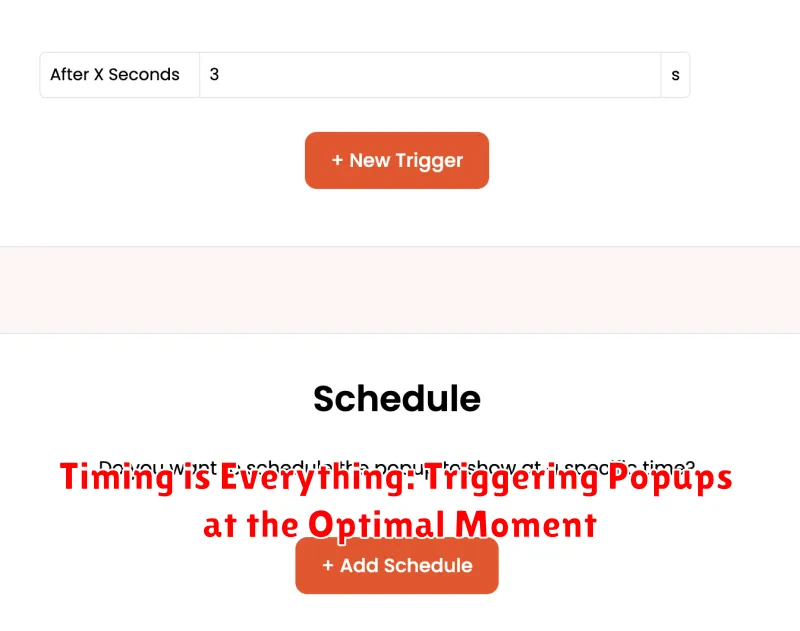
Even the most meticulously designed popup can fall flat if presented at the wrong time. Timing is crucial for maximizing engagement and minimizing disruption to the customer journey. Displaying a popup too early can feel intrusive and push customers away before they’ve even had a chance to explore your site.
Conversely, waiting too long might mean missing the opportunity to capture their attention altogether. Consider these key timing strategies:
- Time-Based Triggers: Display popups after a user has spent a specific amount of time on your site. This demonstrates a level of engagement and suggests genuine interest.
- Scroll Triggers: Activate popups when a user scrolls a certain percentage down the page. This indicates active browsing and a willingness to consume content.
- Exit-Intent Triggers: Present popups as users move their cursor towards the exit button or tab. This can be a last-ditch effort to retain their attention and potentially recapture a lost sale.
- Page-Specific Triggers: Target popups to appear on specific product or category pages, tailoring the offer to the user’s browsing behavior.
Testing different triggers and analyzing their performance is vital to identifying the optimal timing for your specific audience and offer.
A/B Testing Your Popups to Maximize Effectiveness
A/B testing is crucial for optimizing your pop-ups and achieving desired results. By systematically testing different variations, you can identify what resonates most effectively with your audience.
Experiment with varying elements like headline copy, call-to-action text, popup design, and the timing of the popup’s appearance. Even small tweaks can have a significant impact on conversion rates.
For instance, test a concise headline against a more descriptive one. Compare the performance of a button that says “Get My Discount” with one that says “Claim Your Offer Now.” Try different colors and layouts. See if a popup triggered by exit intent performs better than one displayed after a certain time on page.
Track the performance of each variation, noting metrics such as conversion rates, click-through rates, and time spent on page. Analyze the data to determine which version yields the best results, then implement the winning variation.
Respecting User Preferences and Offering Easy Opt-Outs
While pop-ups can be effective, respecting user experience is paramount. Prioritize clear and accessible opt-out options. A prominent close button (typically an “X”) is essential. Avoid designs that trick users into clicking something they don’t intend.
Implement cookie-based preferences. If a user dismisses a pop-up, honor that choice. Don’t show them the same pop-up repeatedly. Consider allowing users to customize their pop-up experience, perhaps specifying the types of pop-ups they are willing to see (e.g., discounts vs. newsletter sign-ups).
Timing is crucial. Bombarding users with a pop-up the instant they land on your site can be jarring. Explore options like exit-intent pop-ups or delayed pop-ups that appear after a user has spent a certain amount of time on your page. This demonstrates respect for their browsing experience.
Using Popups to Drive Email Sign-Ups and Build Your List
Popups can be a powerful tool for growing your email subscriber list, a crucial element of any successful e-commerce marketing strategy. By strategically implementing popups, you can entice visitors to share their email addresses, opening up a direct line of communication for nurturing leads and driving conversions.
Incentivize sign-ups by offering something of value in exchange for an email address. This could be a discount code for their first purchase, free shipping, access to exclusive content, or entry into a contest. Clearly communicate the benefit within the popup itself to encourage immediate action.
Keep the signup form concise. Requesting only essential information, such as name and email address, reduces friction and increases the likelihood of completion. Avoid lengthy forms that can deter potential subscribers.
Target your popups to specific audience segments or pages. For example, a popup promoting a discount on a specific product category could be triggered when a user browses that category. This targeted approach enhances relevance and improves conversion rates.
Showcasing Special Offers and Promotions
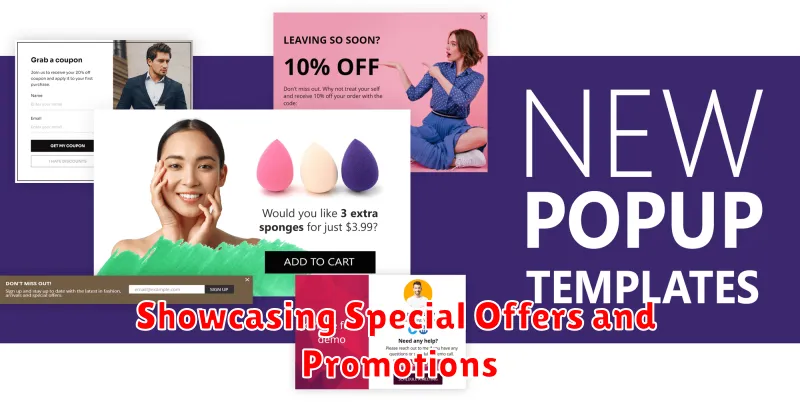
Pop-ups can be highly effective tools for showcasing special offers and promotions to your e-commerce customers. A well-timed popup can highlight a limited-time discount, free shipping offer, or a special bundle deal, encouraging immediate purchase.
Targeting is key for promotional pop-ups. Consider displaying offers related to specific product categories a user is browsing. For instance, if a customer is looking at running shoes, a pop-up offering a discount on running socks or other related accessories can be very persuasive.
Clarity is crucial. Ensure the offer is presented clearly and concisely. State the discount percentage, free shipping threshold, or the specifics of the bundle deal in a way that’s easy to understand at a glance. A clear call to action, such as “Redeem Now” or “Get the Deal,” guides customers towards taking advantage of the promotion.
Use visually appealing design to make your promotional pop-ups stand out. Consider using contrasting colors and clear typography to draw attention to the key elements of the offer.
Measuring Popup Performance and Making Data-Driven Decisions
Analyzing popup performance is crucial for optimizing their effectiveness. Don’t just set them and forget them. Track key metrics to understand how your popups are impacting user behavior and conversions.
Key metrics to monitor include conversion rate (percentage of visitors who complete the desired action), impression rate (how often the popup is displayed), and close rate (how often users dismiss the popup). Analyzing these metrics in conjunction with your overall site data provides valuable insights.
Use A/B testing to experiment with different variations of your popups. Test different copy, calls to action, designs, and targeting rules. By continuously measuring and iterating based on the data, you can refine your popups to achieve optimal performance and avoid alienating your visitors.
Consider using analytics platforms integrated with your e-commerce platform to streamline data collection and analysis. This will allow you to easily track and visualize popup performance trends and identify areas for improvement.
