

In today’s competitive e-commerce landscape, retargeting ads have become an indispensable tool for online businesses. Losing potential customers who have shown interest in your products can significantly impact your bottom line. This comprehensive guide explores the power of retargeting ads in online shopping, providing you with the strategies and knowledge needed to effectively re-engage those valuable prospects and convert them into paying customers. We’ll delve into the various retargeting techniques, platforms, and best practices that can help you maximize your return on investment and achieve sustainable growth in the ever-evolving world of digital marketing.
From understanding the different types of retargeting ads, such as pixel-based and list-based retargeting, to mastering the art of crafting compelling ad creatives and segmenting your audience for personalized messaging, this guide covers it all. We will examine the key platforms for retargeting, including Google Ads and social media channels, empowering you to choose the right platform for your specific business objectives. By implementing the retargeting strategies outlined in this guide, you can effectively bring back lost customers, boost your conversion rates, and ultimately achieve greater success in your online shopping ventures.
Understanding the Basics of Retargeting Ads
Retargeting ads, also known as remarketing ads, are a powerful tool for online retailers. They work by displaying ads to users who have previously interacted with your online store. This interaction might include browsing specific products, adding items to their cart, or even visiting specific pages on your website.
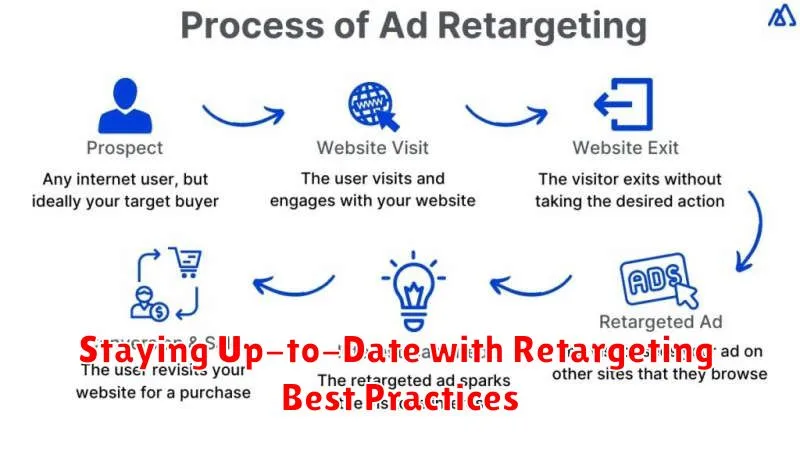
How does it work? A small piece of code, often called a pixel or tag, is placed on your website. This code places an anonymous cookie in the user’s browser. When that user later browses the web, the cookie allows ad platforms to identify them and display your ads.
The core benefit of retargeting is its ability to re-engage potential customers who have shown initial interest but didn’t complete a purchase. By reminding them of your products or offering special incentives, retargeting ads can effectively bring them back to your store and convert them into paying customers.
Key advantages include increased brand visibility, improved conversion rates, and a higher return on ad spend. Retargeting enables you to stay top-of-mind with your target audience and gently nudge them towards a purchase.
Setting Up Retargeting Campaigns for Your Online Store
Setting up retargeting campaigns involves a few key steps. First, you’ll need to install a retargeting tag, also known as a pixel, on your website. This snippet of code tracks visitor behavior and allows you to target them later with personalized ads.
Next, you’ll need to define your audience segments. Consider factors like products viewed, cart abandonment, and past purchases. This allows you to tailor your ads and offers effectively. For example, you might target users who abandoned their cart with a discount code.
Then, choose your retargeting platform. Popular choices include Google Ads and social media platforms like Facebook and Instagram. Each platform offers different features and targeting options, so select one that aligns with your goals and budget.
Finally, create your retargeting ads. Ensure your ads are visually appealing, relevant to the user’s browsing history, and include a clear call to action. Monitor your campaigns closely and make adjustments as needed to optimize performance and maximize your return on investment.
Choosing the Right Platforms for Retargeting
Selecting the appropriate platform is crucial for retargeting success. Each platform offers unique advantages and caters to different audience demographics. Consider your target audience and budget when making your decision. Some popular options include:
Google Ads
Google Ads offers robust retargeting capabilities across its vast network, including search and display. Its extensive reach makes it suitable for businesses targeting a broad audience.
Social Media Platforms (Facebook, Instagram, etc.)
Social media platforms excel at retargeting based on user behavior and demographics. Their visual nature makes them ideal for showcasing products and engaging users.
Email Retargeting
Email retargeting allows you to re-engage website visitors who have provided their email addresses. This personalized approach can be highly effective in driving conversions.
Creating Effective Retargeting Ad Creatives

Visual appeal is paramount in retargeting. Use high-quality images or videos that showcase your products in the best light. Consider lifestyle imagery to connect with your audience on an emotional level.
Craft compelling ad copy that is concise and action-oriented. Remind customers why they were initially interested in your product and highlight any special offers or promotions to incentivize a purchase.
Clear calls to action are essential. Use strong verbs like “Shop Now,” “Get Yours Today,” or “Learn More” to guide customers towards conversion. Ensure the call to action button is prominently displayed and easy to click.
A/B test different ad creatives to determine what resonates best with your target audience. Experiment with various images, copy, and calls to action to optimize your campaigns for maximum effectiveness.
Maintain brand consistency across all retargeting ads. Use the same logo, color scheme, and fonts as your website to reinforce brand recognition and build trust.
Segmenting Your Audience for Personalized Retargeting
Segmentation is crucial for maximizing the impact of your retargeting campaigns. By dividing your audience into specific groups based on their behavior and characteristics, you can deliver more relevant ads, improving click-through rates and conversions.
Consider these segmentation strategies:
- Website Behavior: Target users who viewed specific products or categories, abandoned their carts, or spent a certain amount of time on your site.
- Purchase History: Create targeted campaigns for previous customers, promoting related products or offering loyalty discounts.
- Demographics: If you have demographic data, segment by age, gender, location, or other relevant factors to tailor your messaging.
- Engagement Level: Differentiate between frequent visitors and new prospects, adjusting ad frequency and content accordingly.
Personalized retargeting delivers the right message to the right customer at the right time. By tailoring your ads to each segment, you’ll create a more compelling experience and encourage conversions.
Tracking and Measuring the Success of Your Retargeting Campaigns
Effectively tracking and measuring your retargeting campaigns is crucial for understanding their impact and optimizing performance. Key metrics provide valuable insights into how your ads are resonating with your target audience and driving conversions.
Start by monitoring your click-through rate (CTR). This metric indicates how often users who see your retargeting ads actually click on them. A low CTR may suggest your ad creative needs improvement or that your targeting isn’t precise enough. Conversely, a high CTR signals engaging ads and effective audience targeting.
Next, track your conversion rate. This measures how many users who click on your retargeting ads complete a desired action, such as making a purchase or signing up for a newsletter. Analyzing your conversion rate helps you assess the effectiveness of your landing pages and overall campaign strategy.
Finally, calculate your return on ad spend (ROAS). This metric reveals the revenue generated for every dollar spent on your retargeting campaigns. Tracking ROAS helps you determine the profitability of your campaigns and identify areas for improvement in budget allocation.
Strategies for Optimizing Your Retargeting Ads
Optimizing your retargeting campaigns is crucial for maximizing ROI and re-engaging potential customers effectively. Here are several key strategies to consider:
Segmentation is Key
Segment your audience based on their behavior on your website. Users who abandoned their carts require different messaging than those who simply browsed product pages. Creating tailored ads increases their relevance and effectiveness.
Timing Matters
Implement a frequency cap to avoid overwhelming users with the same ads repeatedly. Experiment with different time delays between initial website visit and ad display. Finding the right balance between visibility and annoyance is essential.
Dynamic Ads for Personalized Experiences
Leverage dynamic retargeting to display ads showcasing the specific products or services users previously viewed. This personalized approach reinforces their interest and encourages conversions.
Call to Action (CTA) Optimization
Ensure your ads have a clear and compelling call to action. Encourage immediate action with phrases like “Shop Now,” “View Offer,” or “Learn More” to drive conversions.
Testing and Refinement
Continuously A/B test different ad creatives, copy, and targeting parameters to identify what resonates best with your audience. Regular analysis and refinement are essential for optimal performance.
Avoiding Common Retargeting Mistakes
Over-saturation is a frequent pitfall. Bombarding users with the same ads repeatedly leads to ad fatigue and can damage your brand image. Implement frequency capping to limit the number of times a user sees your ad within a specific timeframe.
Another mistake is failing to segment your audience. Generic retargeting ads are less effective than personalized messages. Segment your audience based on their behavior on your website, such as products viewed or abandoned carts, to tailor your ads accordingly.
Ignoring the “burn pixel” is also detrimental. This pixel removes users who have already converted from your retargeting lists, preventing wasted ad spend and further annoyance. Ensure this pixel is correctly implemented and functioning.
Finally, neglecting to refresh your ad creatives can lead to stagnation. Regularly update your ads with new visuals and messaging to keep them engaging and relevant to your target audience.
Staying Up-to-Date with Retargeting Best Practices
The digital advertising landscape is constantly evolving, making it crucial to stay informed about the latest retargeting best practices. Continuous learning is key to maximizing your campaign’s effectiveness.
Regularly review industry publications and blogs. Stay abreast of platform updates, emerging trends, and changes in consumer behavior. This will help you adapt your strategies and maintain a competitive edge. Following thought leaders and experts in the field can provide valuable insights and perspectives.
Participate in webinars and online courses. These resources offer in-depth knowledge and practical advice on optimizing your retargeting campaigns. They also provide opportunities to learn from industry professionals and network with other marketers.
Experiment with new features and technologies. Don’t be afraid to test different approaches and analyze the results. A/B testing different ad creatives, targeting parameters, and bidding strategies can help you identify what resonates best with your audience.
By staying proactive and informed, you can ensure your retargeting campaigns remain effective and deliver optimal results in this dynamic digital environment.
