
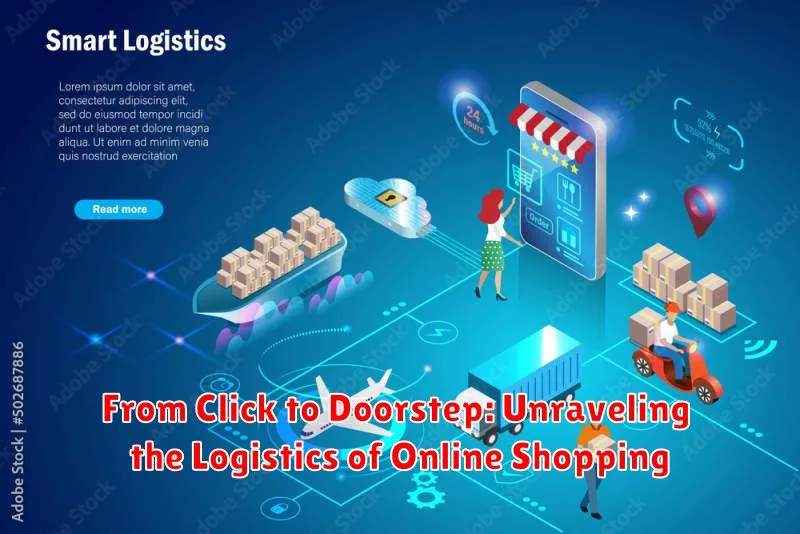
In today’s fast-paced world, online shopping has revolutionized the way we acquire goods, transforming the retail landscape from brick-and-mortar stores to virtual marketplaces. From the convenience of our homes, we can browse extensive catalogs, compare prices, and purchase virtually anything with a few clicks. But have you ever stopped to consider the intricate network of processes that unfold behind the scenes, propelling your purchases from “click” to “doorstep”? This journey, the complex world of e-commerce logistics, is a fascinating interplay of technology, infrastructure, and human effort. This article delves into the multifaceted world of online shopping logistics, unraveling the journey of your order from the moment you click “buy” to its arrival at your doorstep. We’ll explore the key components of this intricate system, including warehouse management, order fulfillment, shipping, and delivery.
Understanding the logistics of online shopping allows us to appreciate the complexity and sophistication required to deliver a seamless customer experience. We’ll explore the crucial role of supply chain management, examining how e-commerce platforms leverage technology to optimize efficiency, minimize delays, and ensure customer satisfaction. Join us as we unravel the complexities of online retail logistics, providing a glimpse into the inner workings of this dynamic industry and highlighting the essential elements that ensure the timely and efficient delivery of your online orders. From the moment you add an item to your cart to the moment it arrives on your doorstep, we’ll dissect each stage of the process, providing a comprehensive understanding of the logistics behind online shopping.
The Order Fulfillment Process: A Step-by-Step Guide
The order fulfillment process encompasses the steps involved in receiving, processing, and delivering an online order to the customer. It begins when a customer clicks the “buy” button and ends with the successful delivery of their purchase.
Order Placement: The process initiates when the customer places an order, providing details like product selection, shipping address, and payment information. This information is transmitted to the retailer’s system.
Order Processing: The order is then verified and processed. This includes checking for payment authorization and confirming product availability. Any necessary adjustments, such as applying discounts or calculating shipping costs, are made at this stage.
Picking and Packing: Once the order is processed, the items are retrieved from the warehouse (picking). This often involves sophisticated warehouse management systems that guide pickers to the correct locations. The items are then packed securely for shipment.
Shipping: The packaged order is handed off to a shipping carrier. Tracking information is generated and shared with the customer, allowing them to monitor the delivery progress.
Delivery: Finally, the order is delivered to the customer’s specified location. Proof of delivery, such as a signature, may be required depending on the shipping method.
Inventory Management: Ensuring Accurate Stock Levels
Effective inventory management is the backbone of successful online retail. Accurate stock levels are crucial for preventing stockouts, which lead to lost sales and disappointed customers. Overstocking, on the other hand, ties up capital and increases storage costs.
Several strategies contribute to accurate inventory tracking. Real-time inventory updates, powered by integrated systems, reflect changes in stock levels immediately after each purchase. Regular cycle counting involves routinely checking physical inventory against recorded numbers to catch discrepancies early. Demand forecasting utilizes historical sales data and trend analysis to predict future demand and inform purchasing decisions.
Safety stock acts as a buffer against unexpected demand spikes or supply chain disruptions. Determining the appropriate safety stock level involves balancing the cost of holding extra inventory against the potential cost of stockouts. By employing these strategies, businesses can ensure they have the right products in the right quantity at the right time.
The Role of Warehousing in Efficient Order Fulfillment
Warehousing plays a crucial role in the efficiency of online order fulfillment. A well-managed warehouse serves as the central hub for receiving, storing, and processing inventory before it reaches the customer. Efficient warehousing streamlines operations, reduces costs, and enhances customer satisfaction.
Key warehouse functions include receiving incoming stock, organizing and storing goods effectively, picking and packing orders accurately, and staging them for shipment. Inventory control and management systems within the warehouse track stock levels, ensuring accurate fulfillment and minimizing delays. The strategic location of a warehouse also influences delivery speed and cost.
Modern warehousing practices leverage technology such as warehouse management systems (WMS) to optimize processes. These systems automate tasks, improve accuracy, and provide real-time visibility into inventory levels and order status.
Shipping Options and Carrier Selection: Balancing Speed and Cost
A crucial aspect of online order fulfillment lies in selecting the right shipping options and carriers. This decision requires a careful balance between meeting customer expectations for speedy delivery and managing the costs associated with various shipping methods.
Shipping options typically range from standard shipping (often the most economical choice) to expedited options like two-day or overnight delivery. Offering a variety of options caters to different customer needs and budgets.
Carrier selection involves choosing the right logistics partner to handle the actual transportation of goods. Factors to consider include the carrier’s service area, their reliability in terms of on-time delivery, and the cost of their services for different package sizes and weights.
Businesses must strategically analyze these factors to optimize their shipping strategy. Offering free or discounted shipping for orders above a certain threshold can incentivize larger purchases, while real-time shipping rate calculators provide transparency for customers during checkout.
Last-Mile Delivery: Getting Your Products to the Customer’s Doorstep
Last-mile delivery represents the final stage in the order fulfillment process, covering the transportation of goods from a local distribution center or warehouse directly to the customer’s specified location. This stage is often considered the most complex and expensive part of the entire shipping process.
Efficiency in last-mile delivery is crucial for customer satisfaction. Factors such as delivery speed, accuracy, and communication play a vital role in shaping the customer experience. Several delivery methods are employed in this final leg, including dedicated courier services, postal services, and increasingly, crowdsourced delivery networks.
Optimization of last-mile delivery involves strategic planning and execution. Considerations include route optimization, real-time tracking updates, and flexible delivery options like scheduled delivery windows and alternative delivery locations. These strategies aim to minimize delivery times and enhance the overall customer experience, leading to increased customer loyalty and positive brand perception.
Returns Management: Handling Customer Returns Efficiently
A seamless returns process is crucial for customer satisfaction and maintaining a positive brand image. Efficient returns management minimizes costs and operational disruptions while maximizing the potential for resale or refurbishment of returned items.
Establishing a clear return policy is the first step. This policy should outline acceptable reasons for returns, the return window, and associated costs. Providing prepaid return shipping labels and simplifying the process through online portals or designated drop-off locations enhances customer convenience.
Upon receiving a return, prompt processing is essential. This includes inspecting the returned item, initiating refunds or exchanges, and updating inventory records. A well-defined workflow can streamline these steps, ensuring timely resolution for customers.
Analyzing return data can provide valuable insights into product quality, customer preferences, and potential areas for improvement in the fulfillment process. Identifying trends in return reasons can help businesses address underlying issues and reduce future returns.
The Importance of Transparency and Communication Throughout the Process
In the realm of online shopping, transparency and communication are paramount to a positive customer experience. Open communication builds trust and manages expectations, reducing anxiety surrounding shipping times and potential issues. Customers value knowing where their order is in the fulfillment process.
Providing real-time updates through email or SMS notifications about order confirmation, processing, shipment, and delivery is crucial. This allows customers to track their packages and anticipate their arrival. Proactive communication about potential delays, unforeseen circumstances, or stock issues demonstrates respect for the customer’s time and fosters a sense of reliability.
Clear and accessible return policies are another critical element of transparency. Customers should easily understand the process for returning items, associated costs, and expected timelines for refunds. A seamless return experience contributes significantly to customer satisfaction and encourages repeat business.
Ultimately, transparency and communication are essential for fostering strong customer relationships and building loyalty in the competitive online marketplace.
Optimizing Logistics for Faster Shipping and Reduced Costs
In the competitive landscape of e-commerce, optimizing logistics is crucial for both customer satisfaction and profitability. Faster shipping times are a key differentiator, while cost reduction is essential for maintaining healthy margins. This requires a strategic approach encompassing several key areas.
Warehouse Management plays a vital role. Strategic warehouse placement, efficient inventory management systems, and optimized picking and packing processes can significantly reduce fulfillment time and operational costs. Employing techniques like cross-docking can further streamline operations by transferring goods directly from receiving to shipping, minimizing storage time.
Transportation Optimization is another critical aspect. Negotiating favorable rates with carriers, leveraging route optimization software, and exploring different shipping modes (e.g., ground, air, sea) based on delivery speed and cost considerations are all essential. Consolidating shipments where possible can also lead to significant cost savings.
Technology Integration can further enhance efficiency. Utilizing warehouse management systems (WMS), transportation management systems (TMS), and order management systems (OMS) provides real-time visibility into the entire logistics process, allowing for data-driven decision-making and proactive issue resolution.
Leveraging Technology to Streamline Logistics Operations
Technology plays a crucial role in optimizing logistics operations. Warehouse Management Systems (WMS) automate inventory tracking, storage, and retrieval processes. This leads to increased efficiency and reduced errors in order fulfillment.
Transportation Management Systems (TMS) are another key technology. TMS platforms optimize shipping routes, manage carrier relationships, and track shipments in real-time. This allows for cost savings through efficient route planning and reduced transportation expenses.
Furthermore, data analytics are essential. By analyzing data from various sources, businesses can identify bottlenecks in their supply chain, predict demand fluctuations, and make informed decisions about inventory management and resource allocation. This data-driven approach leads to more agile and responsive logistics operations.
Finally, emerging technologies like Artificial Intelligence (AI) and Machine Learning (ML) offer opportunities for further optimization. AI can be used to automate decision-making processes, optimize warehouse layouts, and even predict potential disruptions in the supply chain. This allows for proactive adjustments and ensures smooth operations.
Sustainable Logistics: Minimizing the Environmental Impact
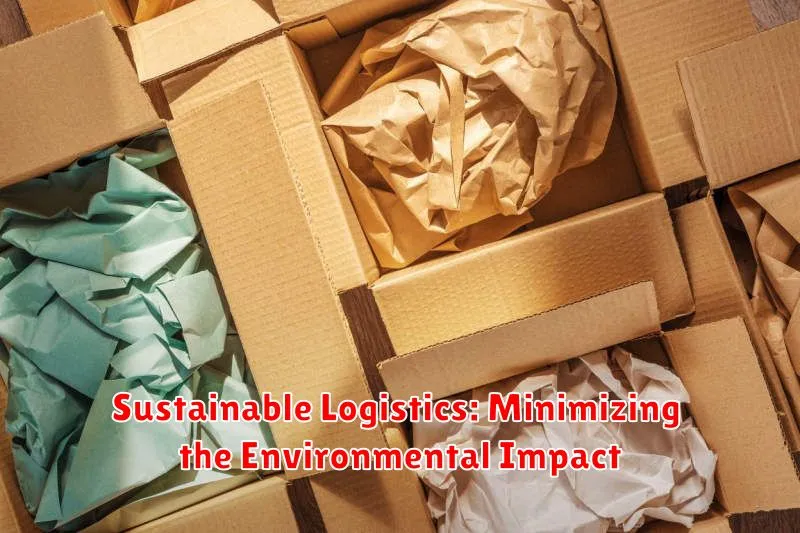
E-commerce’s environmental footprint is a growing concern. Sustainable logistics practices aim to mitigate this impact through various strategies.
Reducing transportation emissions is a key focus. This can be achieved by optimizing delivery routes, using more fuel-efficient vehicles, and exploring alternative delivery methods like cargo bikes for short distances. Consolidating shipments and minimizing packaging also contribute to lighter loads and reduced fuel consumption.
Eco-friendly packaging plays a vital role. Utilizing recycled and biodegradable materials, minimizing packaging size, and promoting reusable packaging options are crucial steps.
Reverse logistics also presents an opportunity for sustainability. Efficient returns management and product refurbishment programs can minimize waste and extend product lifecycles.
Ultimately, embracing sustainable logistics benefits not only the environment but also businesses by enhancing brand reputation and attracting environmentally conscious consumers.
