
In today’s rapidly evolving retail landscape, offering flexible payment options is crucial for attracting and retaining customers. Buy Now, Pay Later (BNPL) has emerged as a dominant force, transforming how consumers make purchases and how merchants manage sales. This comprehensive guide delves into the intricacies of BNPL, providing merchants with the knowledge and tools they need to understand, implement, and leverage this powerful payment solution. From exploring the benefits of BNPL for businesses, such as increased average order value and improved conversion rates, to navigating the potential risks and challenges, this guide will equip you with the necessary insights to make informed decisions regarding BNPL integration.
Whether you’re a small business owner or a large enterprise, understanding the nuances of BNPL is essential for staying competitive in the modern marketplace. This guide will explore the various BNPL providers available, compare their features and fees, and discuss the implementation process, including technical considerations and best practices for optimizing the customer experience. We will also examine the legal and regulatory landscape surrounding BNPL, ensuring merchants can confidently navigate the complexities of this innovative payment method while mitigating potential risks. By the end of this guide, you’ll be equipped with a comprehensive understanding of Buy Now, Pay Later and how to effectively integrate it into your business strategy to drive growth and enhance customer satisfaction.
What is Buy Now, Pay Later (BNPL)?
Buy Now, Pay Later (BNPL) is a short-term financing option that allows consumers to make purchases and pay for them in installments over a period of time, often without incurring interest charges. It’s essentially a point-of-sale loan that provides an alternative to traditional credit cards or layaway plans.
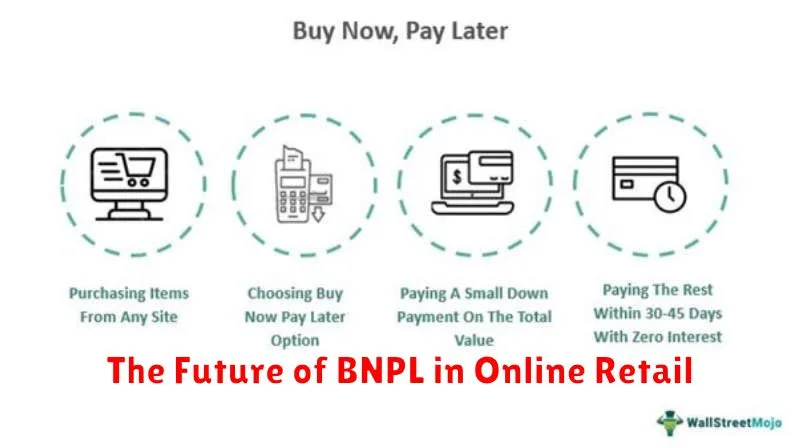
Typically, shoppers using BNPL make a small down payment at the time of purchase, and the remaining balance is divided into equal payments. These payments are usually scheduled bi-weekly or monthly. BNPL services have become increasingly popular, particularly for online purchases, offering a convenient and often interest-free way to spread out the cost of larger items.
Key Characteristics of BNPL:
- Installment Payments: Purchase price is split into multiple payments.
- Short-Term Financing: Loan period is usually relatively short (e.g., 6 weeks to several months).
- Often Interest-Free: Many BNPL providers do not charge interest if payments are made on time.
- Easy Application Process: Quick and simple approval process, often within minutes.
- Point-of-Sale Financing: Integrated directly into the checkout process of online and physical stores.
How Does BNPL Work for Customers and Merchants?
For customers, BNPL offers a streamlined checkout experience. At checkout, they select a BNPL option, typically undergoing a soft credit check. Upon approval, they make a small down payment (often 25% of the total purchase) and agree to a payment schedule, usually spread over a few weeks or months. Subsequent payments are automatically deducted from the customer’s chosen payment method. This provides flexibility and allows them to manage larger purchases more easily.
From the merchant’s perspective, BNPL integrates into their existing checkout process. When a customer chooses BNPL, the provider pays the merchant the full purchase amount minus a small fee. This eliminates the risk of non-payment for the merchant. The BNPL provider then handles the collection of the remaining balance from the customer according to the agreed-upon payment schedule. This allows merchants to offer a financing option without taking on the associated credit risk and administrative burden.
Benefits and Drawbacks of BNPL for E-Commerce Businesses
Integrating Buy Now, Pay Later (BNPL) services can offer several advantages for e-commerce businesses. Increased average order value is often observed as customers are more willing to add items to their cart when the payment is split into smaller installments. BNPL can also lead to improved conversion rates by reducing purchase friction at checkout. Attracting new customers is another potential benefit, particularly those who prefer short-term financing options. Finally, BNPL can contribute to a more positive customer experience, leading to increased customer loyalty and repeat purchases.
However, BNPL also presents some drawbacks. Merchants typically incur transaction fees for each BNPL purchase, which can impact profit margins. There’s also the risk of increased return rates as customers may overpurchase due to the ease of payment. Managing integration complexities with different BNPL providers can be a challenge, especially for smaller businesses. Finally, while BNPL can attract new customers, it’s important to consider the potential for attracting customers who may be more prone to late or missed payments, indirectly impacting your bottom line.
Different BNPL Providers and Their Integration Methods
Several prominent BNPL providers offer varying integration methods, catering to different e-commerce platforms and business needs. Choosing the right provider hinges on factors like transaction fees, target customer demographics, and available integration options.
Key players in the BNPL space include:
- Affirm: Known for its transparent pricing and flexible payment options, Affirm offers integrations through APIs, platform extensions, and pre-built shopping cart plugins.
- Afterpay: Popular with fashion and beauty retailers, Afterpay offers similar integration methods, emphasizing a smooth user experience.
- Klarna: This global provider boasts a wide range of features, including in-store BNPL, and offers various integration solutions for online merchants.
- PayPal Pay in 4: Leveraging the existing PayPal network, this service offers a straightforward integration process for businesses already utilizing the platform.
Integration methods generally fall into three categories:
- API Integration: Offers the most customization and control, but requires development resources.
- Platform Extensions/Plugins: Pre-built integrations for popular e-commerce platforms offer simpler setup.
- SDKs: Provide a comprehensive set of tools for deeper integration within mobile apps.
Merchants should carefully evaluate each provider’s offerings and choose the solution that best aligns with their business requirements and technical capabilities.
Impact of BNPL on Sales and Conversion Rates
Integrating BNPL options can significantly influence both sales figures and conversion rates. Studies show a strong correlation between BNPL availability and increased average order value (AOV). By reducing the upfront cost barrier, customers are often more inclined to add more items to their carts or opt for higher-priced products.
Increased Conversion Rates: Offering BNPL can lead to higher conversion rates, particularly for businesses selling higher-ticket items. The flexibility of payment installments makes purchasing decisions easier for customers hesitant about immediate full payment. This can result in a noticeable decrease in cart abandonment.
Sales Uplift: BNPL’s impact on sales can be substantial. The ability to spread payments over time makes purchases more accessible to a wider customer base, potentially attracting new customers and boosting overall sales volume.
Considerations: While BNPL can drive sales and conversions, merchants should also consider potential drawbacks. These include merchant fees associated with BNPL transactions and the risk of increased return rates if customers overestimate their ability to make future payments.
Managing Risk and Fraud with BNPL
Integrating Buy Now, Pay Later (BNPL) offers significant advantages, but merchants must also address the inherent risks, particularly fraud and increased credit risk. Understanding these risks and implementing appropriate mitigation strategies is crucial for successful BNPL integration.
Fraud prevention requires robust identity verification processes. Merchants should utilize tools that assess the legitimacy of customer information during checkout. This might include address verification, email verification, or even multi-factor authentication. Real-time transaction monitoring can also flag suspicious activity, such as unusually large purchases or multiple orders from the same IP address within a short timeframe.
Credit risk management with BNPL differs slightly from traditional credit card transactions. While the BNPL provider typically assumes the majority of the credit risk, merchants still bear some responsibility. Partnering with reputable BNPL providers with strong underwriting practices is essential. Clearly communicating refund and return policies to customers can also help minimize disputes and potential losses. Merchants can also implement internal policies that limit BNPL usage for high-value purchases, thereby reducing exposure.
Legal and Regulatory Aspects of BNPL
Navigating the legal and regulatory landscape of Buy Now, Pay Later (BNPL) is crucial for merchants. Compliance is paramount to avoid potential legal issues and maintain a positive brand reputation.
Consumer protection laws play a significant role in BNPL transactions. These laws often focus on disclosure requirements, ensuring consumers understand the terms and conditions, including fees, payment schedules, and the implications of late or missed payments. Merchants must ensure their BNPL integration adheres to these regulations.
Data privacy is another critical concern. BNPL services involve the collection and processing of sensitive consumer data. Merchants must comply with data privacy regulations, such as GDPR and CCPA, to protect consumer information and avoid penalties.
Licensing and registration requirements for BNPL providers vary by jurisdiction. Merchants should partner with providers who hold the necessary licenses and comply with relevant regulations in the markets they operate.
The Future of BNPL in Online Retail
The BNPL landscape is constantly evolving, promising exciting developments for online retail. Increased integration with other financial technologies is anticipated, including personalized budgeting apps and digital wallets, creating a more seamless customer experience.
Expansion into new markets, particularly in developing economies with growing e-commerce sectors, is another key trend. This expansion may fuel further innovation in BNPL offerings, tailoring services to specific regional needs.
Enhanced risk assessment using advanced data analytics and AI is expected to become more prevalent. This will enable providers to make more informed lending decisions, mitigating potential fraud and default risks.
Finally, greater regulatory scrutiny of the BNPL sector is inevitable as it matures. This will likely lead to clearer guidelines and consumer protections, promoting responsible lending practices and sustainable growth within the industry.
Choosing the Right BNPL Solution for Your Business
Integrating a Buy Now, Pay Later (BNPL) solution can significantly impact your business. Choosing the right provider is crucial for maximizing benefits and minimizing potential drawbacks. Consider these key factors when evaluating BNPL providers:
Key Considerations:
- Merchant Fees: Carefully analyze the transaction fees charged by each provider. These fees can vary significantly and impact your profit margins.
- Integration Complexity: A seamless integration process is essential. Consider the technical resources required and the provider’s level of support.
- Customer Experience: A positive customer experience is paramount. Evaluate the user-friendliness of the BNPL service and its impact on the checkout process.
- Fraud Protection: Robust fraud prevention measures are essential to mitigate risks associated with BNPL transactions.
- Reporting and Analytics: Access to comprehensive data and reporting tools can provide valuable insights into customer behavior and sales performance.
By carefully considering these factors, you can select a BNPL provider that aligns with your business needs and contributes to long-term growth.
